Jagdpullover
Jagdpullover – Geräuschlose, isolierende Zwischenschichten für jeden Jäger
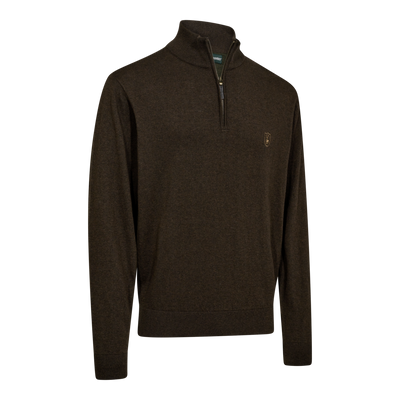
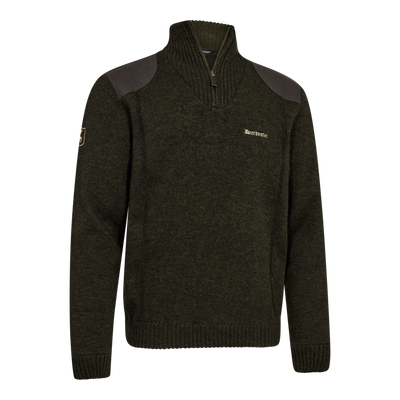
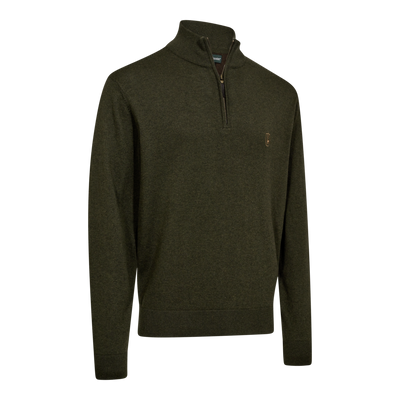
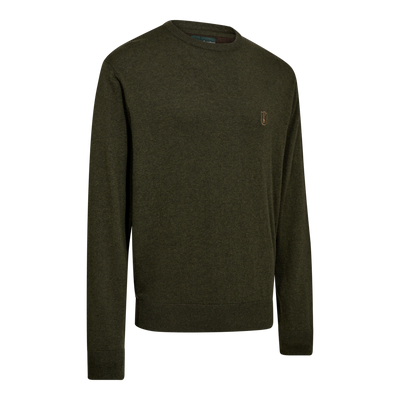
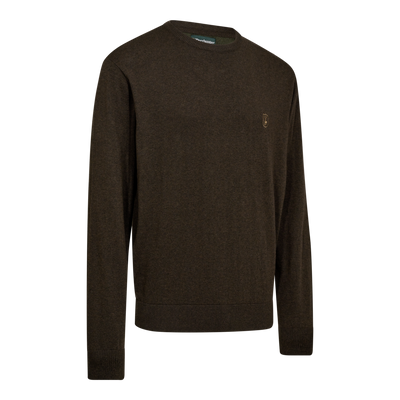
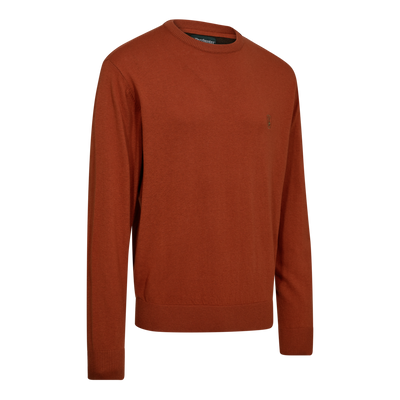
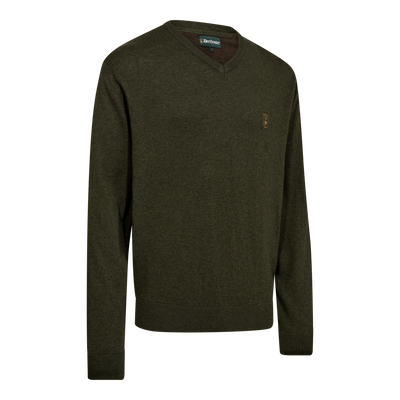
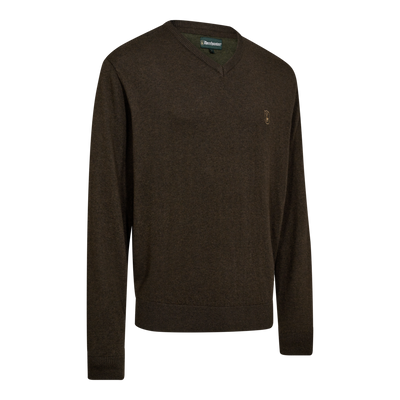
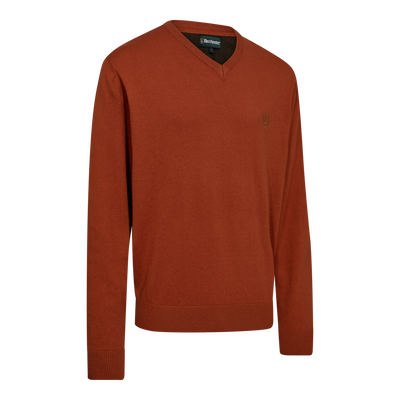
Entdecken Sie unsere Kollektion an Hochleistungs-Jagdpullovern (Hunting Sweaters), die als ultimative isolierende Zwischenschicht in Ihrem Ausrüstungssystem konzipiert sind. Hergestellt aus Materialien wie strapazierfähiger Wolle, technischem Fleece und geräuscharmen Mischungen, bieten diese Pullover außergewöhnliche Wärme ohne aufzutragen. Sie sind essenziell für die Temperaturregulierung und sorgen für atmungsaktiven Komfort bei aktiver Bewegung und wichtige Wärmespeicherung bei statischen Perioden. Erhältlich in praktischen Erdtönen und Tarnmustern, gewährleistet ein hochwertiger Jagdpullover geräuschlose Bewegung und dauerhaften Komfort während der gesamten Saison
 Rabatt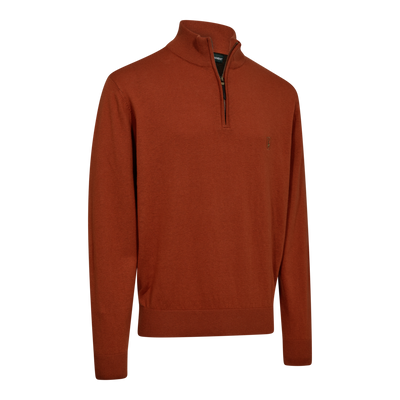

 Rabatt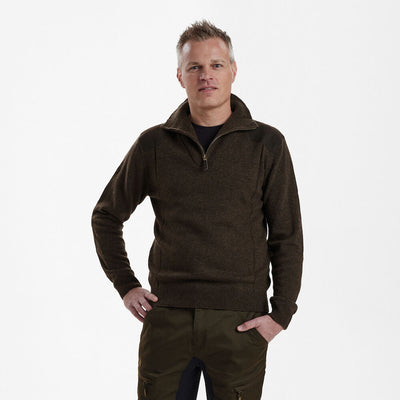
 Ausverkauft
How to build a kit around the way you hunt
Most disappointing gear isn't bad gear — it's good gear bought for the wrong hunt. A jacket built for a driven hunt in November will let you down on a February high seat, and the reverse is worse. Start with how you hunt, and the rest follows.
Buying Guide - Seasson
Start with the hunt, not the product
Three ways of hunting, three opposite sets of demands. Stalking means moving: you need stretch, low weight, breathability and a face fabric that stays quiet through branches. Stand hunting means not moving: insulation, wind resistance and absolute silence when you reach for the rifle. Driven hunting means moving fast in company: high-visibility, freedom of movement and a shell that handles rain without cooking you. Pick the one you do most, buy for it properly, and cover the others by layering.
The order to buy in
Not all gear fails equally. Cold, wet feet end a hunt; a mediocre t-shirt doesn't. Buy boots first — they change more days than anything else in the wardrobe. Then the outer layer that matches your main hunt type. Then a proper base layer, which quietly determines whether you stay warm on the walk back. Accessories come last, with one exception: hearing protection, because hearing damage is the only thing on this list you can't undo or replace later.
Quiet, dry, warm — in that order
Game hears you long before it sees you. A shell that crackles when you shoulder the rifle costs more chances than a slightly thinner insulation layer ever will. Next comes staying dry — from rain, and from your own sweat, which is what actually makes you cold once you stop moving. Warmth is last because it's the easiest thing to add: another mid-layer, a hat, better socks. Judge every garment against those three, in that order.
Sizing and the European cut
Deerhunter and Parforce use a European cut that runs slimmer than everyday clothing. Two mistakes account for most exchanges: sizing for a bare torso instead of leaving room for a fleece, and never checking sleeve length with a rifle mounted. Raise your arms, shoulder an imaginary rifle, and watch whether the cuff climbs your forearm. Check trousers seated, not standing — that's the position you'll hold for hours. Between two sizes and hunting mostly in winter? Take the larger. You can cinch a jacket down; you can't add room.
Where the money goes, and where it doesn't
Pay for what you can't upgrade later: the membrane and taped seams in a shell, the insulation construction in a winter jacket, the sole and build of a boot. Save on what's easy to replace or doesn't change performance — extra pockets you'll never use, a fourth camo pattern, novelty accessories. Buying a complete series — a matched jacket, trousers and vest — is usually better value than assembling equivalent pieces separately, and the layers are cut to work over each other.
Alternative title options:
- A — Direct: How to build a kit around the way you hunt
- B — Tension: The five decisions that separate a good kit from an expensive one
- C — Practical: Where to start when you're buying hunting gear
Hunting Clothing Buying Guide
The right clothing is the difference between a focused hunt and one spent counting the minutes. The kind of hunting you do decides the garment — not the other way around. Here's how to narrow it down.
Let the hunt choose the garment
For stand hunting, warmth and silence beat everything: you're motionless for hours, so a padded or loden jacket with a soft, non-rustling face fabric earns its keep. For stalking, you want stretch, low weight and breathability — a softshell or a light Deer-Tex® shell over a merino base. For driven hunts, you need blaze orange, a shell you can move fast in, and layers you can shed between drives. Buy properly for your most common situation; layering covers the other two.
The three-layer system
Layering isn't piling on clothes — it's giving each layer one job. The base layer moves sweat off your skin: merino or a technical synthetic, never cotton, which holds moisture and chills you the moment you stop. The mid layer traps warm air: fleece, wool or a light insulated vest. The shell blocks wind and rain. Done right, you regulate by taking a layer off before you sweat, rather than drying out afterwards. This is also why a good base layer matters more than most people think.
Materials and technologies, explained
Deer-Tex® — Deerhunter's waterproof, breathable membrane; keeps rain out while letting vapour escape, and works only with taped seams and a treated face fabric. Loden — dense boiled wool, exceptionally quiet, warm even when damp, heavier than synthetics; the classic stand-hunting choice. Softshell — stretchy, breathable, wind-resistant, water-repellent but not waterproof; ideal for active hunting. Fleece — light warmth, dries fast, blocks no wind alone. Reversible — camo one side, blaze orange the other, so one jacket covers two kinds of hunt.
Visibility and blaze orange
Requirements for driven hunts differ by country and sometimes by federal state — Germany, Austria, Croatia and Serbia don't apply the same rules, and what counts as sufficient signal clothing varies. Check the current regulation for where you hunt before the season, not on the morning of the drive. In practice, a reversible jacket, or an orange vest and cap worn over your usual outer layer, covers most situations without forcing you to own two complete sets of clothing.
Getting the size right
Size for the layers underneath, not for the shop floor. Try a jacket over a fleece, sit down in the trousers, and shoulder a rifle to check that sleeves stay put and the shoulders don't bind. Look for articulated knees and elbows, an adjustable hem and cuffs, and a back that stays covered when you lean forward. Use the size guide rather than your usual high-street size — European hunting brands cut slimmer. If it isn't right, you have 14 days to send it back.
Shoes & Boots - Buying Guide
Nothing ends a hunt faster than feet that are cold, wet or blistered. Boots are the one purchase where terrain decides almost everything — before brand, before budget. Start there.
Boots or rubber boots
It's a terrain question, not a preference. Rubber boots are the answer for marsh, flooded ground, wet grass at first light and anywhere scent matters — and they're the easiest to clean after a drive. Leather boots win wherever you actually cover distance: hills, forest, rocky ground, long stalks. They breathe better, support the ankle properly and last longer with care. Plenty of hunters end up with both — one pair for water, one for walking — rather than one compromise pair that's mediocre at both.
Insulation ratings, and when they mislead
Insulation figures — 200g, 400g, 800g — assume you're moving. Sitting motionless on a high seat, the same boot performs far worse than the number suggests. If most of your winter is spent still, choose more insulation than you think you need and leave room for a thicker sock. If you walk all day, go the other way: too much insulation makes your feet sweat, and damp feet get cold the second you stop. Being wet from the inside is the more common failure by far.
Waterproofing that stays waterproof
A membrane keeps water out and lets vapour escape — but only while the outside of the boot isn't soaked through. Leather that hasn't been treated in two seasons wets out, the boot stops breathing, and the membrane gets blamed. Knock the mud off after wet outings, dry boots slowly and away from direct heat or radiators, and re-treat the leather two or three times a season. That single habit roughly doubles the working life of most boots.
Sole, shank and ankle support
Steep, rocky ground calls for a stiff sole and a supportive shank — stiffness is what stops your foot flexing over stone all day and what keeps you stable on a sidehill. Flat forest and field hunting is more comfortable in a softer, more flexible sole. Ankle height follows the same logic: high and supportive for mountain and mixed terrain, lower and lighter where the ground is even. Aggressive lugs grip mud well but carry more of it back into the car.
Sizing, socks and break-in
Try boots in the afternoon, wearing the socks you actually hunt in — feet swell through the day and through a hunt. You want roughly a thumb's width in front of the toes and a heel that doesn't lift when you walk uphill. Lace them properly before judging the fit; most "too loose" boots are simply badly laced. Break new leather in over a few shorter outings before taking them somewhere you can't comfortably walk back from.